 Ceylon Guide
Ceylon Guide
Ceylon Guide
Ceylon Guide
Apr 21, 2026 · 9 min read
Sri Lanka has always been a destination that asks you to slow down. Beyond the pristine beaches and the bustling spice markets, there is a deep, resonant pulse of ancient spirituality that has guided the island for over two millennia. In April 2026, that pulse is taking physical form through a remarkable event that bridges global communities and ancient traditions: the "Walk for Peace" pilgrimage.
Running from April 21 to April 28, 2026, this seven-day journey is not just a religious procession; it is a moving tapestry of history, culture, and mindfulness. For travelers fortunate enough to be on the island during this time, the Walk for Peace offers an unprecedented opportunity to witness Sri Lanka’s living heritage in motion.
Whether you are an enthusiast of ancient history, a traveler seeking spiritual grounding, or someone passionate about mapping the world's most unique cultural routes, this event is a profound experience. Here is your complete, expert guide to understanding, following, and respectfully participating in the 2026 Walk for Peace.
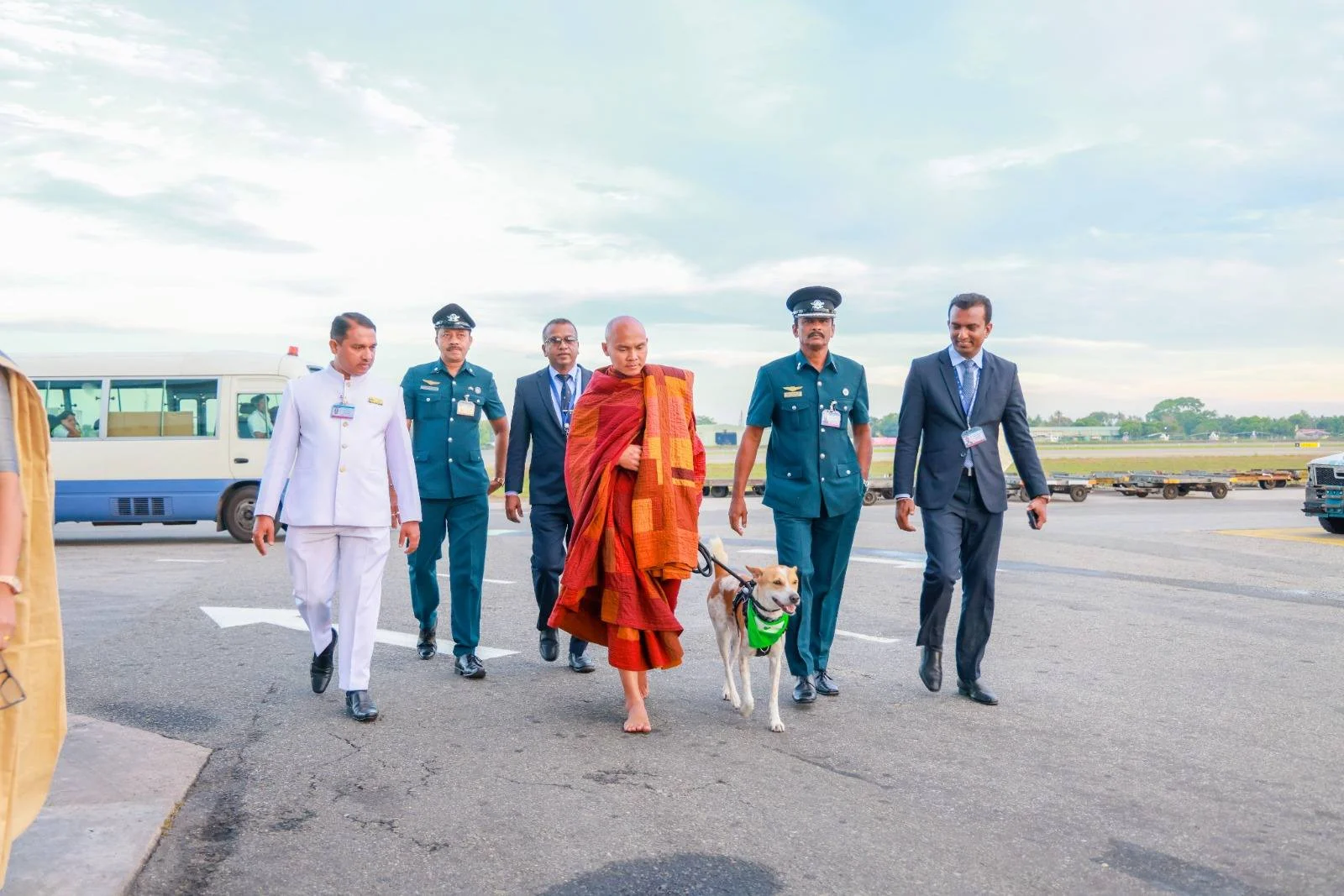
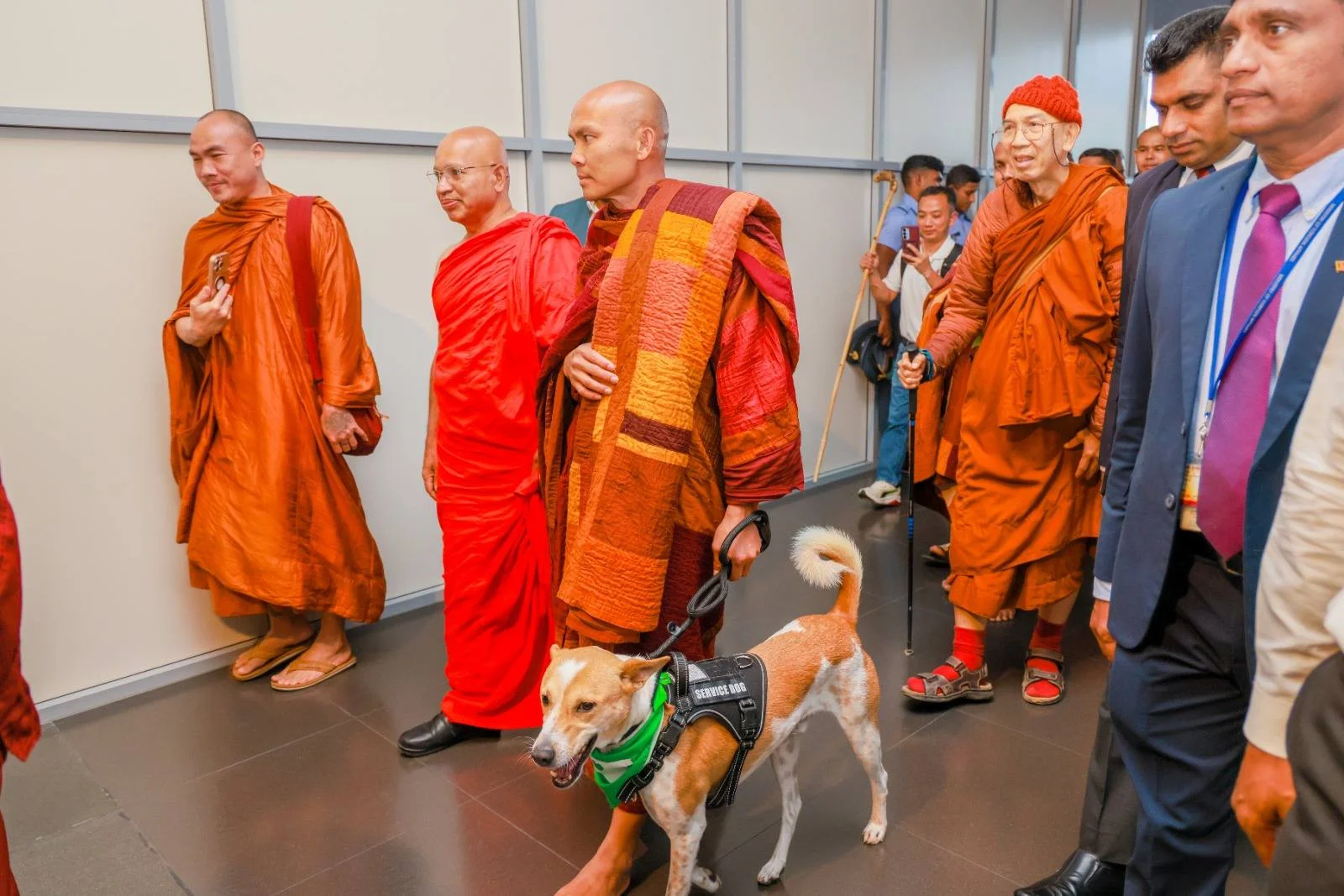
To understand the magnitude of this event, you have to look at where it began. The 2026 Walk for Peace is an internationally recognized initiative that actually originated in the United States. Recently, a delegation of monks completed a grueling 110-day peace walk across ten American states, spreading a message of compassion and inner well-being.
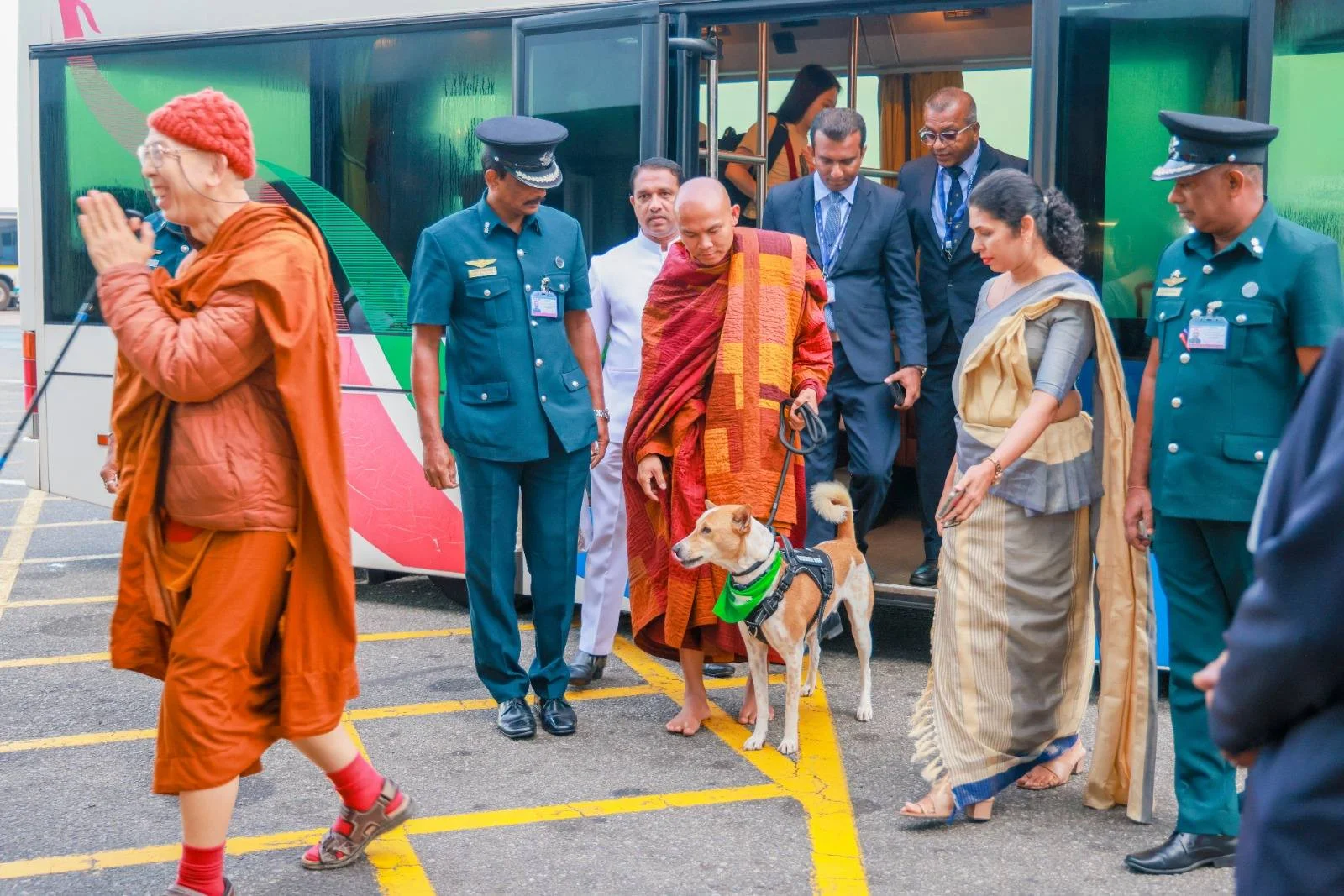
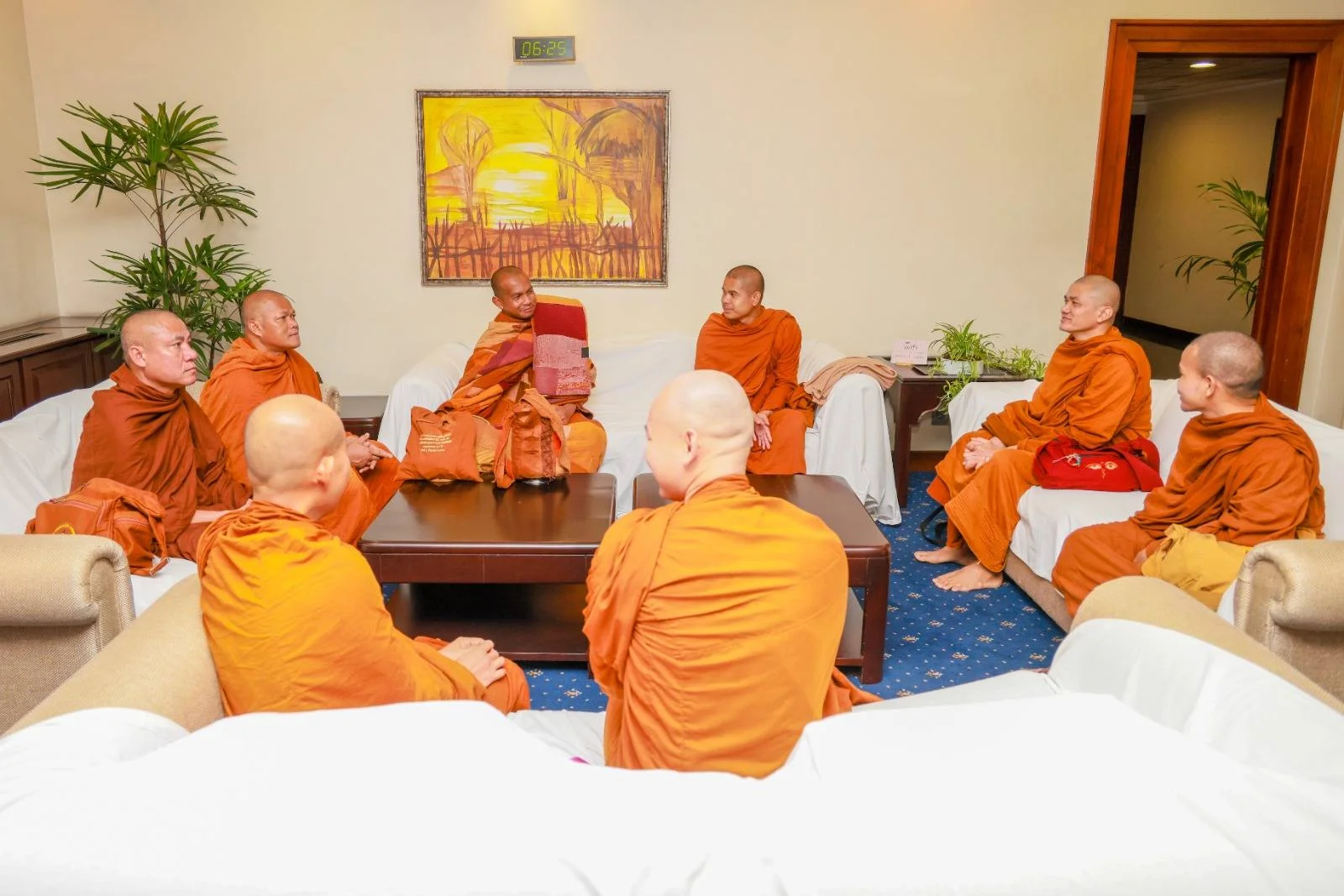
Now, that same spirit is being brought to Sri Lanka. The journey is led by the Most Venerable Paññakāra Thero, alongside a delegation of twelve monks from the Maha Sangha (the Buddhist monastic order).
The entire pilgrimage is anchored in a core teaching of the Buddha: "Caratha bhikkhave carikam bahujana hitaya bahujana sukhaya lokanukampaya"—which translates to, "Wander forth, O Monks, for the welfare and happiness of the many, out of compassion for the world." In a modern era often defined by rush and conflict, this walk serves as a powerful, practical demonstration that true peace is not forced; it is cultivated step-by-step through pure mindfulness.
The procession is much more than a group of individuals walking; they are the custodians of some of the island's most revered historical and botanical treasures.
Throughout the seven-day journey, the delegation will carry a newly cultivated sapling of the Jaya Sri Maha Bodhi. For those interested in botanical history, the original Jaya Sri Maha Bodhi in Anuradhapura is recognized as the oldest historically documented, human-planted tree on Earth. Grown from a cutting of the exact fig tree under which the Buddha attained enlightenment in India, it has been guarded and nurtured for over 2,300 years. Carrying a sapling from this ancient tree symbolizes the literal and spiritual rooting of peace.
Alongside the Bodhi sapling, the procession will carry venerated relics sourced from some of Sri Lanka’s most historic and geographically diverse sites, including:
The ancient Nilagiri Cetiya.
Madanwala Raja Maha Viharaya in Hanguranketa.
The historically profound Mahiyangana Raja Maha Viharaya.
The iconic Gangaramaya Temple in Hunupitiya, Colombo.
The route of the peace walk reads like a master directory of Sri Lanka’s greatest historical and spiritual landmarks. It moves from the dry zone of the ancient north, up into the mist-covered central highlands, and finally down to the western commercial capital.
Here is the geographical breakdown of the journey:
The journey officially begins in Anuradhapura, the first great capital of ancient Sri Lanka. It is a city defined by its massive stupas and complex ancient garden layouts.
4:00 PM: A solemn ceremony takes place to officially receive the sacred sapling of the Jaya Sri Maha Bodhi.
5:00 PM: Special religious observances are held at the Ruwanweliseya, the towering white stupa that dominates the city’s skyline. From here, the message of peace is officially shared with the public, setting the tone for the week ahead.
On the morning of April 22, after offering the traditional Sanghagatha Dakshina (alms to the monks), the walking procession physically commences from the Dambulla Royal Cave Temple. This UNESCO World Heritage site is famous for its remarkably preserved ancient murals and statues housed within massive granite overhangs. The walk then winds south through towns like Naula and Matale, tracing the historical trade and spice routes that have connected the island's interior for centuries.
As the procession climbs into the central highlands, it reaches Kandy, the last royal capital of Sri Lanka. Here, the event takes on a deeply institutional and cultural weight.
The Maha Sangha will visit the headquarters of the Malwatta and Asgiriya Chapters to pay their respects to the Chief Prelates.
The delegation will then visit the Sri Dalada Maligawa (The Temple of the Sacred Tooth Relic) to receive ultimate blessings for the remainder of their journey.
Leaving the mountains behind, the monks and participating devotees will walk through historic waypoint towns including Kadugannawa, Kegalle, Tholangamuwa, Kajugama, Yakkala, Mahara, and Kelaniya. Each of these towns holds its own unique piece of local history, and the passing of the procession will undoubtedly draw massive crowds of local villagers offering water, flowers, and support.
The physical walking journey concludes on April 28, 2026, arriving at Independence Square in the heart of Colombo.
Because this event is taking place under full state patronage—heavily supported by the national "Clean Sri Lanka" initiative, the Tri-Forces, and the Department of Information—the finale is a grand, official affair. President Anura Kumara Dissanayake, who has publicly backed the initiative as a symbol of national unity, will officially hand over the carried sapling of the Sri Maha Bodhi to the visiting Maha Sangha.
Following the ceremony at Independence Square, a grand procession will carry the venerated relics and the Bodhi sapling to the Gangaramaya Temple in Hunupitiya.
For travelers who love traditional arts, this is an unmissable component of the event. Concurrently with the closing ceremonies, the National Design Centre is hosting a massive exhibition at the Gangaramaya premises. This is a rare opportunity to see the absolute pinnacle of Sri Lankan craftsmanship in one place. The exhibition will feature:
Brass Work: Intricate ceremonial fans, traditional flags, statues, and stupa pinnacles.
Lacquerwork & Clay: Beautifully painted caskets, traditional boxes, and hand-molded statues.
Textiles & Weaving: The famous geometric Dumbara wall hangings, natural dyeing techniques for monastic robes, and palm leaf crafts like ceremonial sesath (sunshades).
Traditional Arts: Hand-crafted traditional drums and classical temple paintings.
While the Walk for Peace is a deeply Sri Lankan event, its ultimate goal extends far beyond the island's borders. The cultural exhibition and the journey itself serve a profound secondary purpose: contributing Sri Lanka's Buddhist and cultural heritage to a massive international project in Texas, USA.
The artifacts, the craftsmanship showcased at the exhibition, and the sacred Bodhi sapling are destined for an ambitious center for Buddhist education currently being developed in Texas. This center aims to enshrine the Tripitaka (the traditional Buddhist scriptures) inscribed in 10 different languages across 840 stupas. It is a beautiful example of how travel, culture, and spirituality can build tangible bridges across the globe.
If you are planning to map out a route to witness or participate in the Walk for Peace, it is crucial to approach the event with cultural sensitivity and respect. Sri Lankans are incredibly welcoming, but religious events carry strict protocols.
Whether you are waiting by the roadside in Matale or attending the State Ceremony in Colombo, modest dress is mandatory.
Wear White: In Sri Lankan Buddhist culture, white is the color of purity and religious devotion. Wearing plain white, loose-fitting clothing is the best way to show respect.
Cover Up: Ensure your shoulders and knees are completely covered. Remove hats and sunglasses when the procession of monks passes by, and slip off your shoes if you step onto designated sacred grounds.
The walk is designed to be inclusive, and travelers are welcome to respectfully walk alongside the devotees for segments of the journey.
Stay towards the back or the sides of the main monastic delegation.
Maintain a quiet, contemplative demeanor. This is a mindfulness walk, not a parade. Loud talking or disruptive behavior will be deeply frowned upon.
Along the route, you will see locals setting up Dansal (free food and beverage stalls) to offer water, herbal drinks, and light food to the walking monks and devotees. You can participate by respectfully offering sealed water bottles or fresh fruit to the organizers or participants.
Capturing the beauty of the procession is allowed, but do so unobtrusively.
Never stand higher than the monks (e.g., do not climb on a wall to get a better downward shot).
Do not use harsh flash photography, especially during the evening religious observances.
Most importantly, never take a selfie with your back turned to the sacred relics, the Bodhi sapling, or the monks.
In 2026, the global travel landscape is shifting. Visitors are looking for more than just a beautiful background for a photograph; they are looking for connection, historical depth, and a sense of place.
The Walk for Peace represents the very best of "slow tourism." It is a geographically sweeping event that maps out the island's ancient arteries, connecting the botanical and historical wonders of Anuradhapura to the colonial and modern streets of Colombo. It highlights the endurance of traditional crafts and showcases the warm, welcoming nature of the Sri Lankan people.
If you find yourself on the teardrop island between April 21 and 28, take a moment to step away from the standard tourist itinerary. Stand by the road in the misty hills of Kadugannawa, listen to the rhythmic chanting, and watch the Walk for Peace go by. It is a rare chance to witness the soul of Sri Lanka, taking one mindful step at a time.
Turn your travel dreams into reality. Let our local specialists craft an exclusive itinerary tailored to your rhythm, from mist-shrouded peaks to sun-kissed shores.
Build Your Itinerary