 Ceylon Guide
Ceylon Guide
Ceylon Guide
Ceylon Guide
Apr 06, 2026 · 10 min read
If you are reading this, you have probably already fallen in love with the idea of Sri Lanka. You have seen the drone shots of the famous blue train winding through emerald tea plantations, the surfers catching golden hour waves in Arugam Bay, and the endless spreads of mouth-watering curries.
But then, the practical, planning side of your brain kicks in. You open a new tab and type: "Is Sri Lanka actually safe right now?"
It is the most common question I get from travelers planning their first trip to the island. It is a completely fair question, especially if your memory of Sri Lanka in the news is stuck on the headlines from a few years ago.
Let me give you the short, honest answer right out of the gate: Yes, Sri Lanka is incredibly safe for tourists in 2026. In fact, it remains one of the safest, most welcoming destinations in all of South Asia.
However, like any country on earth, it has its own unique quirks, local rules of the road, and specific things you need to watch out for. To help you book those flights with absolute confidence, here is a deep dive into the reality of traveling in Sri Lanka, stripped of the sugar-coating, straight from the ground.
To understand the current vibe in Sri Lanka, we have to briefly address the past. In 2022, the country went through a severe economic and political crisis. You likely saw international news covering fuel shortages, power cuts, and massive public protests in Colombo.
So, what is the reality in 2026? The country has stabilized remarkably. The tourism industry—which is the absolute lifeblood of the Sri Lankan economy—is not just functioning; it is booming.
Fuel and Power: The fuel shortages are a thing of the past. Tuk-tuks, private taxis, and public buses are running their normal, chaotic schedules. You will not experience the rolling blackouts that made headlines years ago.
Food and Medicine: Supermarkets are fully stocked, restaurants are serving up massive feasts, and pharmacies are well-supplied.
The Welcome: Because tourism is so vital to the local economy, travelers are treated with immense respect and gratitude. The famous Sri Lankan hospitality—often described as the warmest in the world—is more present than ever. Locals are genuinely thrilled that you have chosen to spend your holiday on their island.
When we talk about "safety," people are usually thinking about violent crime. This is where Sri Lanka truly shines. Violent crime against tourists is exceptionally rare. You can walk through most towns and cities feeling completely at ease. Gun violence is practically non-existent, and muggings are highly uncommon.
However, where there are tourists, there are opportunists. Petty crime and scams are the things you actually need to keep on your radar.
The "Broken Meter" Tuk-Tuk: A driver might tell you his meter is broken or simply refuse to turn it on, then quote you an astronomical price at the end of the ride. The fix: Always agree on a price before getting in, or better yet, use the ride-hailing app PickMe for metered, fair rates.
The Spice Garden Trap: Your driver might offer to stop at a "traditional spice garden" on the way to Kandy or Sigiriya. While the tours are somewhat educational, the products in the gift shop at the end are often marked up by 500%. Enjoy the free massage, but politely decline buying the overpriced aloe vera.
The Stilt Fisherman Photo Fee: On the south coast, you will see traditional stilt fishermen posing perfectly against the sunset. Today, many of them are actors. If you take a photo, a "manager" will quickly run up to demand a hefty fee. Ask for the price before you snap the picture.
Fake Gems: Sri Lanka is famous for sapphires, but the streets are full of convincing colored glass. Never buy gems from a random shop or a guide's "uncle." Only purchase from certified, government-approved jewelers who provide official documentation.
Sri Lanka is a very popular destination for solo female travelers, and the vast majority have incredible, incident-free trips. However, it is a conservative, patriarchal society, and you do need to adjust your behavior and expectations accordingly.
The Stares: This is the most common complaint from female travelers. You will be stared at. Often, it is just genuine curiosity, especially in rural areas where tourists are less common. However, it can sometimes feel intense or uncomfortable. Wearing sunglasses and projecting confident body language helps immensely.
Dress Modestly: While you can absolutely wear bikinis on the popular tourist beaches of the South and East coasts, you should cover up when you walk into town, visit a supermarket, or take public transport. If you are visiting a Buddhist or Hindu temple, covering your shoulders and knees is strictly mandatory.
Nighttime Safety: The general rule of thumb for solo female travelers anywhere applies here: avoid walking alone on unlit beaches or empty roads late at night. Take a tuk-tuk directly to your accommodation after dark.
Trust Your Gut: Sri Lankan men are generally very friendly and conversational. If a conversation crosses the line into overly personal territory, it is perfectly acceptable to be firm, polite, and walk away.
You are traveling to a tropical, developing nation, which means your immune system is going to encounter some new things.
Water Safety Never drink straight from the tap. Always stick to bottled water (check that the plastic seal is intact) or filtered water provided by your hotel. This applies to brushing your teeth, too. Ice in high-end resorts and popular tourist restaurants is usually made from purified water and is perfectly safe, but avoid ice in small, local roadside stalls.
Food Hygiene Do not let the fear of an upset stomach stop you from eating the local food! Sri Lankan street food is incredible. The best rule to follow is to eat where the locals eat. If a small restaurant is packed with Sri Lankans and the food has high turnover, it is usually safe. Avoid buffets where food has been sitting out lukewarm for hours.
Dengue Fever This is a real hazard, particularly during the monsoon seasons. Dengue is a viral infection transmitted by mosquitoes. There is no vaccine or specific cure, so prevention is everything.
Wear a strong insect repellent containing DEET or Picaridin day and night.
Sleep under a mosquito net if your room is not air-conditioned or fully sealed.
Wear light, loose-fitting, long-sleeved clothing at dawn and dusk when mosquitoes are most active.
Medical Care If you do get sick, do not panic. Sri Lankan pharmacies (look for the green cross) are excellent. The pharmacists are highly trained, speak great English, and can provide many medications over the counter that would require a prescription back home. In an emergency, private hospitals in major cities like Colombo, Kandy, and Galle offer high-quality care at a fraction of Western prices. Always make sure you have comprehensive travel insurance before you fly.
Getting around Sri Lanka is half the adventure, but it can be a little jarring if you are used to orderly traffic lanes.
The Red Buses (The "Crazy" Buses) Public buses are the cheapest way to get around, but the drivers operate them like they are in a Formula 1 race. They will aggressively overtake on blind corners and lay on their incredibly loud, musical horns. It is safe in the sense that crashes involving tourists are rare, but it is an adrenaline-pumping experience. Hold onto the rails tightly!
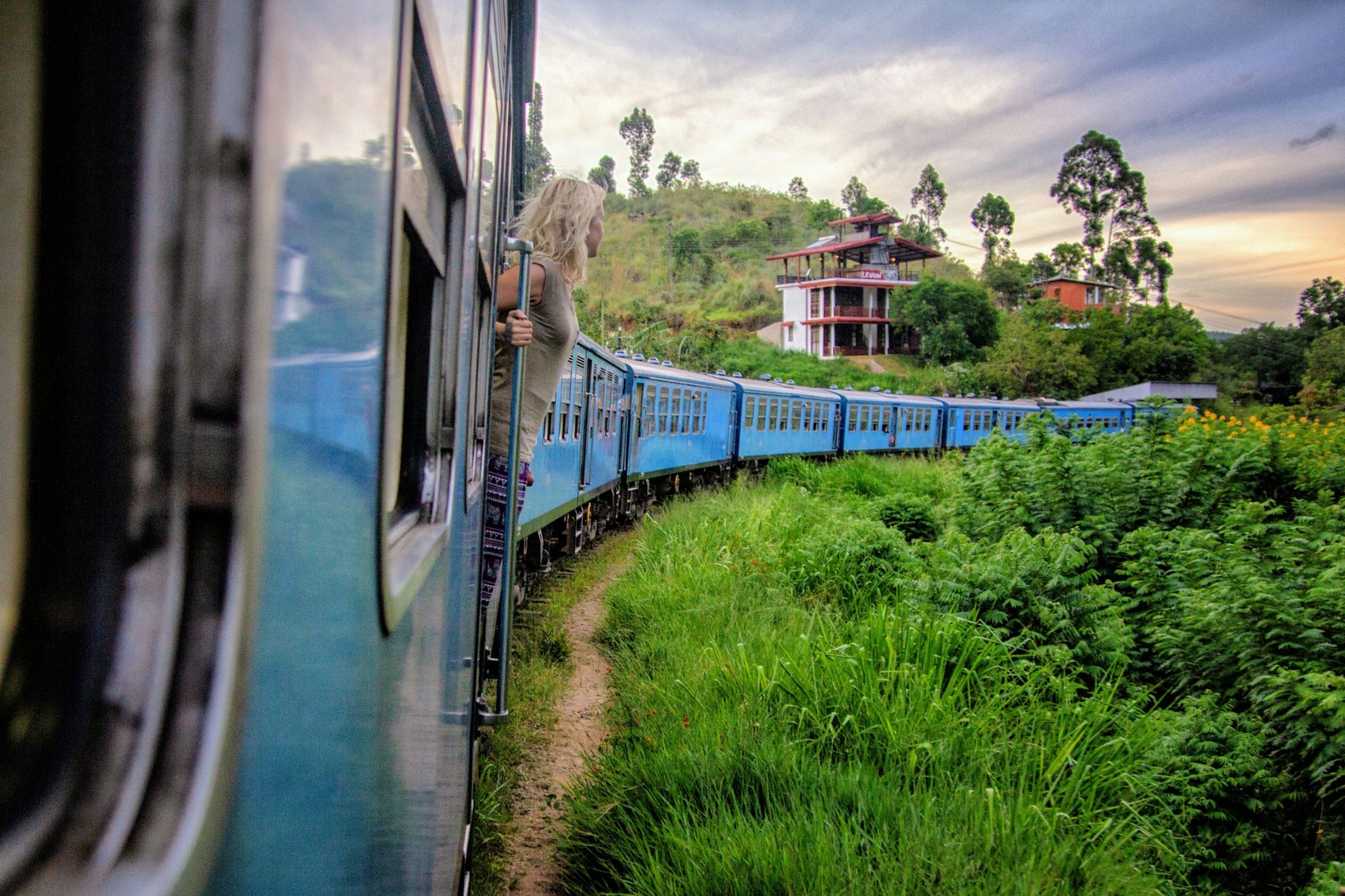
Train Travel Riding the train is one of the safest and most scenic ways to travel. The only real danger here is self-inflicted. It is a massive trend to hang out of the open train doors for photos. While fun, the tracks run extremely close to rock walls, tunnels, and low-hanging branches. Never lean too far out, and always pull yourself completely inside before a tunnel.
Crossing the Street Pedestrian crossings exist, but they are viewed more as "suggestions" by local drivers. Do not expect traffic to magically stop just because you stepped onto a zebra crossing. Make confident eye contact with the drivers, walk at a steady pace, and when in doubt, wait for a local to cross and shadow them.
The nature in Sri Lanka is raw and untamed, which is exactly why you want to visit. But it requires respect.
Ocean Currents and Rip Tides This is arguably the most underrated danger in Sri Lanka. The Indian Ocean is incredibly powerful. Some beautiful beaches have hidden, deadly rip currents.
Never swim on a deserted beach unless you have explicitly asked locals if it is safe.
Look for designated swimming zones (often marked by red and yellow flags).
If you get caught in a rip, do not panic and do not try to swim straight back to shore against it. Swim parallel to the beach until you escape the current, then head in.
Wildlife Encounters
Monkeys: Macaques are everywhere in the Cultural Triangle (like Sigiriya and Dambulla). They look cute, but they are professional thieves. Do not carry food in your hands, do not smile at them showing your teeth (they see it as an aggressive challenge), and keep your sunglasses securely on your head.
Stray Dogs: There are millions of stray dogs in Sri Lanka. Most of them are sweet, sleepy, and looking for a scratch. However, rabies does exist on the island. As tempting as it is, it is best to avoid petting the street dogs. If you are bitten or scratched, you must seek a post-exposure rabies shot immediately.
Wild Elephants: It is entirely possible to see wild elephants crossing the main highways near national parks like Yala, Udawalawe, or Minneriya. If you are driving a scooter, keep a massive distance. Elephants are wildly unpredictable and can run much faster than you think. Never honk your horn or use flash photography near them.
To summarize everything, if you stick to these five simple rules, you are practically guaranteed to have a safe, spectacular holiday:
Download the Apps: Get PickMe or Uber for fair transport pricing, and WhatsApp (virtually every hotel, driver, and tour guide in the country uses WhatsApp to communicate).
Respect the Culture: Dress modestly off the beach, take your shoes off before entering a temple, and never pose for a photo with your back facing a Buddha statue (it is considered highly offensive and illegal).
Hydrate and Protect: The tropical sun is brutal. Drink copious amounts of bottled water, slather on sunscreen, and bathe yourself in mosquito repellent.
Embrace the "Island Time": Things go wrong. Trains get delayed, buses break down, and tropical downpours happen without warning. Getting angry or aggressive will not help. Keep a calm, smiling demeanor—it goes a very long way in Sri Lankan culture.
Don't Let Fear Stop You: Read up on the scams, be street-smart, but do not arrive on the island with your guard up so high that you miss the magic.
So, is Sri Lanka safe to visit in 2026? Absolutely.
It is a country that has endured a lot, but its people remain fiercely resilient and unbelievably kind. If you exercise basic common sense, respect the local customs, and embrace the beautiful chaos of the island, Sri Lanka will reward you with one of the most unforgettable travel experiences of your life.
Pack your bags, get your visa, and get ready for the adventure. The island is waiting for you.
Turn your travel dreams into reality. Let our local specialists craft an exclusive itinerary tailored to your rhythm, from mist-shrouded peaks to sun-kissed shores.
Build Your Itinerary